
Views: 187 Author: Site Editor Publish Time: 2025-12-03 Origin: Site

The choice of packaging plays a critical role in preserving food quality and ensuring safety during transportation, storage, and sale. For food manufacturers and businesses, selecting the right packaging material is not only essential for maintaining the integrity of the product but also for complying with regulatory requirements. One increasingly popular choice in the food packaging industry is the food grade paper can. Known for their versatility, sustainability, and protective qualities, food grade paper cans are an effective solution for many types of food products.
This article explores how to choose the right food grade paper can for your packaging needs, offering insights into the factors that matter most when selecting these containers. From understanding what makes a paper can "food grade" to evaluating performance and sustainability, this guide will help you make an informed decision that supports both your product and business goals.
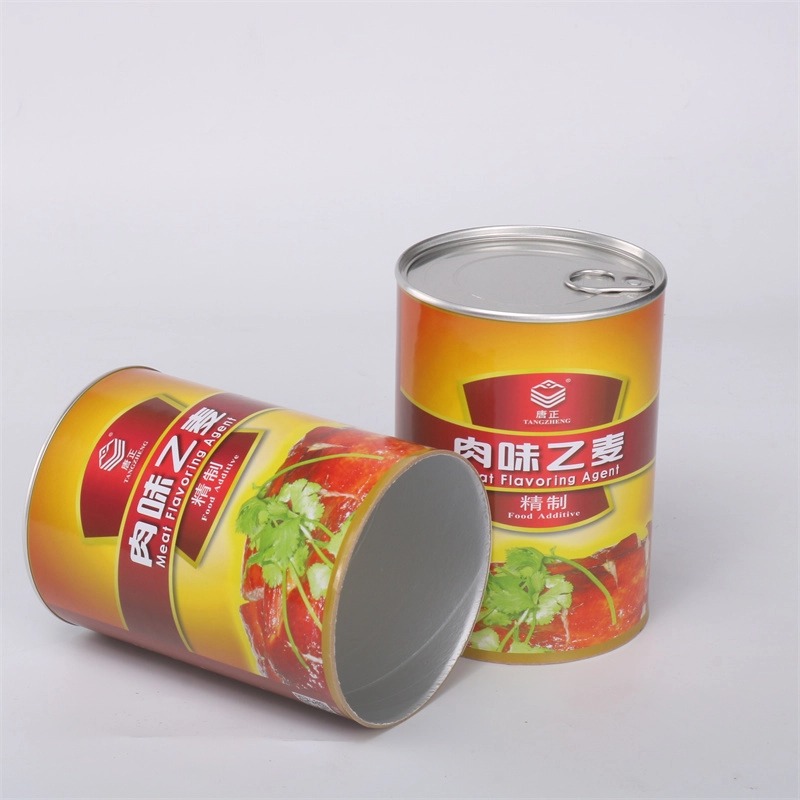
A food grade paper can is a packaging solution made primarily from paper materials that meet specific safety standards required for food contact. These cans are commonly used to package dry, powdered, or solid food products, offering an eco-friendly alternative to traditional metal or plastic containers. A key characteristic of food grade paper cans is their compliance with food safety regulations, ensuring that no harmful chemicals or contaminants leach into the product they contain.
Food grade paper cans are typically lined with a food-safe barrier, such as wax, foil, or plastic, to provide additional protection from moisture, light, and oxygen. This barrier not only helps preserve the freshness of the food but also protects the paper material from damage due to exposure to environmental factors.
Food grade paper cans stand out due to their distinctive features, including:
Material Safety: These cans are made from paper that meets food safety standards, ensuring no harmful substances migrate into the food.
Barrier Properties: Most food grade paper cans come with an inner layer or liner that shields the contents from moisture, light, and air, which can affect the quality of food.
Sustainability: Paper is a renewable resource, and many paper cans are recyclable, making them a sustainable choice for environmentally conscious businesses.
Customizable: Food grade paper cans can be designed with custom shapes, sizes, and printing, allowing businesses to maintain strong branding.
The first step in choosing the right food grade paper can is ensuring that the material used meets the required food safety standards. Depending on the type of food you plan to package, you may need to select a specific type of paper can. For instance, products such as dry foods or snacks may only require basic protection, whereas products like oils or dairy may need additional moisture or oil-resistant liners.
Some of the key safety standards for food grade paper cans include:
FDA Approval: Food packaging materials must comply with the Food and Drug Administration (FDA) regulations to ensure they are safe for food contact.
EU Regulations: For businesses operating within the European Union, food-grade packaging must meet EFSA (European Food Safety Authority) guidelines.
BPA-Free Materials: Bisphenol A (BPA) is a chemical often found in plastics and resins. Ensure your food grade paper cans are BPA-free to avoid any potential contamination risks.
Choosing the right size and structure for your food grade paper can is critical for maintaining product quality. Consider the following:
Product Type: The nature of your product determines the size and type of can you need. For instance, dry goods like flour or coffee may require larger, sturdy cans, while snack foods might be better suited to smaller, stackable cans.
Shelf Space: If you're selling products in retail environments, the size and shape of the paper cans should complement the available shelf space and ensure the product stands out.
Quantity: Consider whether you are packaging in small quantities for consumers or large volumes for bulk distribution. The can should meet the required storage, handling, and shipping demands.
Food grade paper cans come in various shapes, with the most common being straight-walled or tapered designs.
Straight-Walled Cans: These cans offer a uniform diameter throughout their height, which makes them easy to stack and store. They are ideal for products that require stable and secure packaging during transport.
Tapered Cans: Tapered cans have a narrower top and wider base, which can make them more visually appealing on shelves. However, their shape might make them less stable when stacked, so this must be considered for storage.
Food grade paper cans also vary in terms of how they are sealed. You can choose from:
Cans with Lids: These provide a tight seal, making them more suitable for food that needs to stay fresh for extended periods or that needs extra protection from air and moisture.
Open-Top Cans: These are often used for products like snacks or ready-to-eat meals that are meant to be consumed soon after opening.
When selecting a food grade paper can, it is crucial to evaluate its strength and leak resistance. The can must be able to withstand the rigors of transport, handling, and storage without tearing or breaking. Look for cans with reinforced seams, thicker walls, and additional internal liners that prevent leakage.
One of the primary roles of packaging is to preserve the quality and freshness of the food product. Food grade paper cans are designed to create an optimal environment for storing food. When choosing the right paper can, consider:
Moisture Barriers: Moisture can degrade food quality, so a can with a moisture-resistant liner or coating is vital.
Oxygen Barriers: If your food product is sensitive to oxidation (such as oils, nuts, or dried fruits), choose a paper can with an effective oxygen barrier.
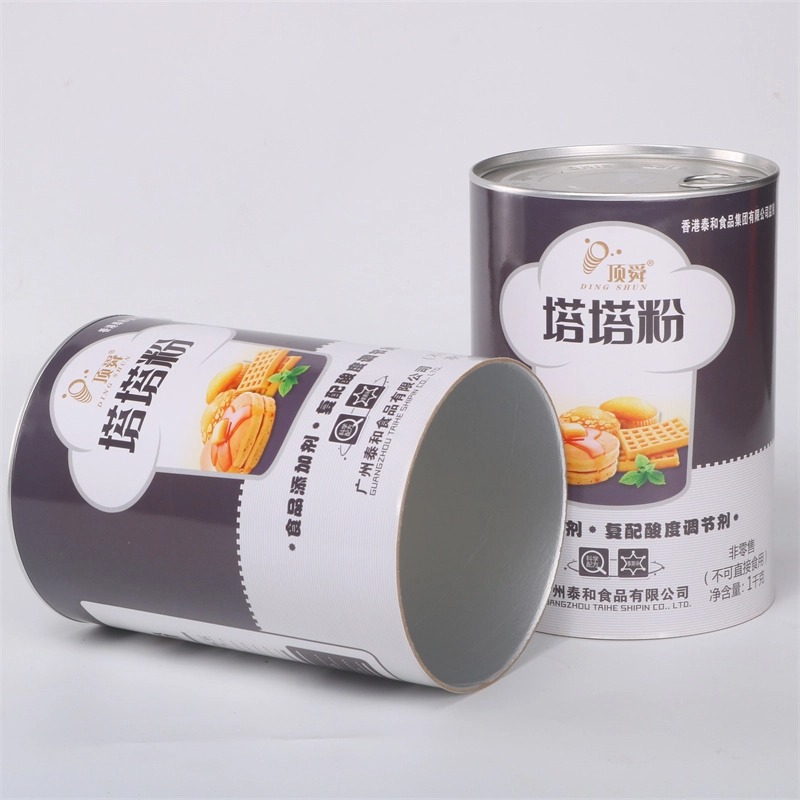
The cost of food grade paper cans can vary significantly based on several factors, including:
Customization: Custom-designed paper cans with branded logos, colors, and special features like foil or windows will be more expensive than standard, unbranded packaging.
Quantity: Ordering in bulk typically reduces the per-unit cost, so plan accordingly to get the best price for your needs.
While food grade paper cans are a cost-effective packaging solution for many products, it’s essential to compare them to alternatives like plastic, glass, or metal containers. While paper cans are typically more affordable than glass, they may be more expensive than plastic in some cases. Keep in mind that the environmental benefits of paper cans—such as recyclability—may outweigh the slight cost difference.
To maximize the lifespan and effectiveness of food grade paper cans, ensure they are handled and stored correctly. Keep them away from excessive heat, moisture, or direct sunlight, as these factors can degrade the integrity of the paper and compromise food quality.
Food grade paper cans offer significant opportunities for branding and marketing. The large surface area on the exterior of the can is perfect for high-quality labels that display your product's unique features. Consider including eco-friendly messages on the packaging to appeal to sustainability-conscious consumers.
Choosing the right food grade paper can involves considering various factors, such as material safety, size, durability, and cost. By selecting the right can that meets both your packaging needs and sustainability goals, you can ensure the safe and efficient storage of your food products while enhancing your brand’s image. Always consider the specifics of your product, your target market, and the environmental impact of your packaging choices.
A paper can is considered "food grade" when it is made from materials that meet the required safety standards for direct contact with food. This includes using non-toxic, BPA-free materials and incorporating food-safe barriers to prevent contamination.
Yes, most food grade paper cans are recyclable, making them a sustainable choice for businesses looking to reduce their environmental impact. However, the recyclability depends on the type of liner used, so always check the manufacturer's guidelines.
Yes, food grade paper cans can be customized with various sizes, designs, and printing options to meet your branding and marketing needs. Customization may increase the cost but can offer significant value in terms of product presentation and consumer appeal.


