
Views: 213 Author: Site Editor Publish Time: 2025-11-29 Origin: Site

As global concerns over environmental degradation and plastic pollution continue to rise, industries are increasingly looking for more sustainable alternatives in packaging. One such innovation that is garnering attention is the food-grade paper can. Traditionally dominated by plastic and metal containers, the packaging industry is undergoing a significant transformation with the rise of food-grade paper cans. These sustainable containers are not only eco-friendly but also versatile and efficient, addressing the growing demand for environmentally responsible packaging solutions. This article explores why food-grade paper cans are positioned to become the future of sustainable packaging.
Food grade paper cans are a new, innovative packaging solution designed specifically for food and beverage products. Unlike traditional paper products, these cans are specially treated and coated to ensure that they can safely contain consumable goods without compromising the integrity or taste of the product inside. Made primarily from recycled paper fibers, food-grade paper cans offer a robust, leak-resistant, and lightweight alternative to conventional packaging materials like plastic and aluminum.
The key to the food-grade paper can's success lies in its multi-layer design. The outer layer typically consists of a durable, recyclable paperboard material, while the inner lining is a food-safe barrier that protects against moisture, air, and contamination. This design ensures that the food inside remains fresh for longer periods, while also allowing for easy disposal and recycling once the product is used.
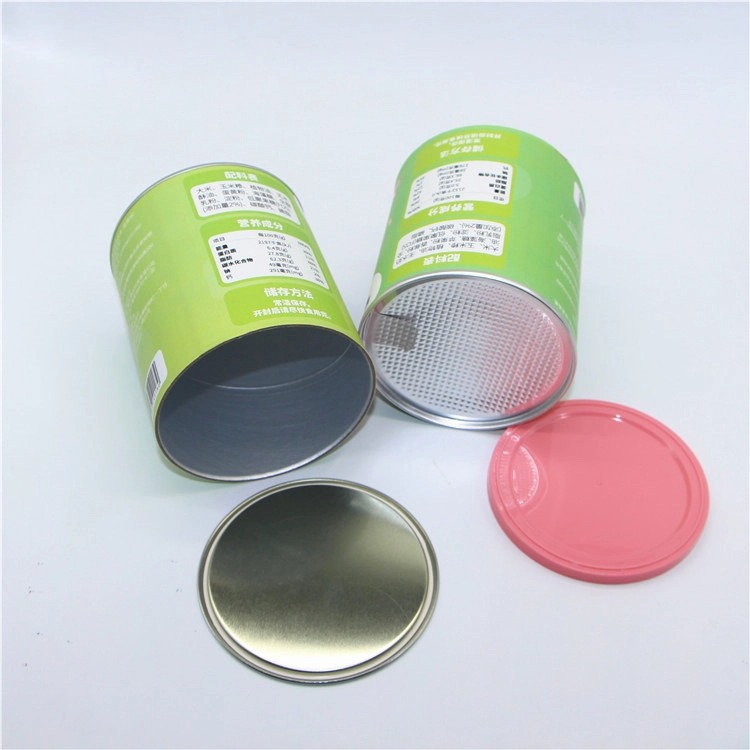
The most significant advantage of food-grade paper cans is their environmental benefits. As the world faces mounting challenges due to plastic waste and non-recyclable materials, food-grade paper cans present a more sustainable and responsible packaging solution.
Reduction in Plastic Usage: Plastic is one of the most harmful materials for the environment. Paper cans offer a practical solution to reduce the reliance on plastic packaging, which often ends up in landfills or oceans, causing long-term environmental damage. By switching to paper cans, industries can make a significant contribution to reducing global plastic consumption.
Sustainable Sourcing and Recycling: Food-grade paper cans are made primarily from recycled paper fibers, making them inherently more sustainable than plastic or aluminum. Paper is one of the most recycled materials worldwide, and the production of paper-based cans can be integrated into existing recycling systems, thereby reducing waste.
Lower Carbon Footprint: The manufacturing process for food-grade paper cans typically produces lower emissions than the production of plastic and metal cans. Additionally, paper is biodegradable and compostable, further minimizing its environmental impact. This makes food-grade paper cans a more sustainable option for brands aiming to reduce their overall carbon footprint.
The rapid adoption of food-grade paper cans can be attributed to several key innovations in materials science and manufacturing processes. Here are some of the developments driving their popularity:
Barrier Coatings: One of the main challenges in paper packaging has always been the ability to protect food from moisture, air, and contaminants. Recent advancements in food-safe barrier coatings have enabled paper cans to compete with plastic and metal alternatives in terms of functionality. These coatings are often made from plant-based materials or biodegradable plastics, ensuring both protection and sustainability.
Advanced Printing and Labeling Technologies: The ability to print high-quality graphics on paper cans is another innovation that has helped fuel their growth. Modern printing technologies, including digital and flexographic printing, allow brands to create vibrant, eye-catching labels that are integral to marketing. This makes food-grade paper cans not only functional but also aesthetically appealing.
Improved Manufacturing Processes: Advances in paper can manufacturing techniques have made it easier and more cost-effective to produce paper cans at scale. With innovations in automation and streamlined production lines, manufacturers can efficiently produce high-quality paper cans that meet both safety and sustainability standards.
Plastic waste is one of the most pressing environmental challenges of the modern age. Single-use plastic packaging, which often contains harmful chemicals like BPA, is one of the primary culprits of pollution in landfills and oceans. The introduction of food-grade paper cans offers a viable solution to this problem.
By replacing plastic packaging with paper-based cans, companies can significantly reduce their environmental footprint. These cans are entirely recyclable and compostable, making them an excellent choice for brands looking to align with sustainability goals. Additionally, paper cans are lighter than plastic, which means they require less energy to transport, further reducing their environmental impact.
The shift towards food-grade paper cans is also in response to growing consumer demand for eco-friendly packaging. As consumers become more environmentally conscious, they are increasingly favoring brands that prioritize sustainable packaging solutions. By adopting paper cans, brands not only reduce their plastic usage but also improve their marketability and reputation.
While the environmental benefits of food-grade paper cans are clear, one of the most compelling reasons for their widespread adoption is their cost-effectiveness. Although paper cans were once considered a more expensive alternative to traditional packaging, advances in manufacturing and materials science have made them increasingly affordable.
Lower Production Costs: As paper can manufacturing technologies continue to improve, economies of scale are making food-grade paper cans more cost-competitive with plastic and metal containers. The increased availability of recycled paper materials also helps keep production costs down.
Reduced Transportation Costs: Due to their lightweight design, food-grade paper cans are often cheaper to transport than heavier alternatives like glass or metal cans. This reduction in shipping costs makes them an appealing choice for brands that need to keep overall product costs low.
Brand Differentiation: While the initial investment in sustainable packaging may be higher, the long-term benefits of brand differentiation and customer loyalty often outweigh the costs. Consumers are increasingly willing to pay a premium for products that align with their environmental values, making food-grade paper cans a sound investment for brands committed to sustainability.
Consumer perception plays a pivotal role in the widespread adoption of food-grade paper cans. In recent years, there has been a significant shift in consumer attitudes toward sustainable packaging. Studies show that consumers are increasingly concerned about the environmental impact of their purchases and are more likely to support brands that prioritize eco-friendly materials.
Food-grade paper cans are seen as a responsible, innovative choice, appealing to the growing market of environmentally conscious consumers. Brands that use paper cans can capitalize on this shift by positioning themselves as leaders in sustainability, which in turn drives customer loyalty and positive brand recognition.
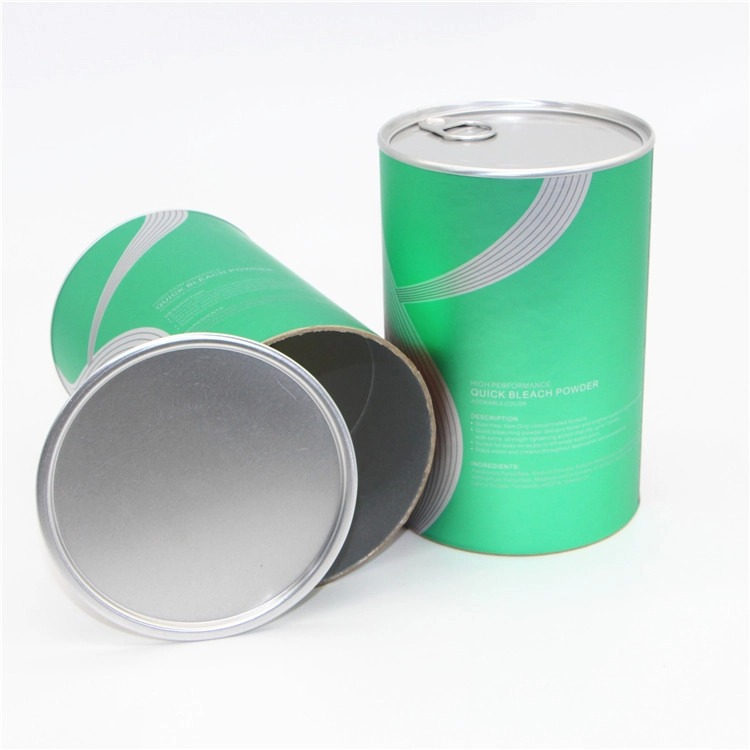
The future of food-grade paper cans lies in the transition to a circular economy, where materials are continually reused, recycled, or composted. Paper cans fit perfectly into this model, as they are fully recyclable and can be reprocessed into new packaging or other paper products.
In a circular economy, the lifecycle of paper cans doesn't end when the product is consumed. Instead, the materials can be reused, reducing the need for virgin resources and minimizing waste. As more companies and consumers embrace this model, food-grade paper cans are likely to play a central role in creating a more sustainable and resource-efficient packaging system.
Food-grade paper cans are rapidly emerging as a revolutionary solution to the packaging industry's environmental challenges. Offering significant benefits in terms of sustainability, cost-effectiveness, and consumer appeal, they are poised to become the future of packaging, particularly in the food and beverage industry. By reducing reliance on plastic and metal, food-grade paper cans are helping to create a more sustainable, circular economy and address the growing demand for eco-friendly packaging alternatives.
1. Are food-grade paper cans safe for food packaging?
Yes, food-grade paper cans are designed with food-safe barrier coatings to protect the contents and ensure they remain fresh and safe for consumption.
2. Can food-grade paper cans be recycled?
Yes, food-grade paper cans are fully recyclable and compostable, making them an environmentally friendly option compared to traditional plastic packaging.
3. What types of products are commonly packaged in food-grade paper cans?
Food-grade paper cans are often used for beverages, soups, sauces, dairy products, and other perishable goods that require airtight packaging.
4. Are food-grade paper cans more expensive than traditional packaging?
While food-grade paper cans may have higher initial costs, advancements in manufacturing technologies have made them more cost-competitive with plastic and metal containers.
5. What is the environmental impact of food-grade paper cans?
Food-grade paper cans have a lower carbon footprint than plastic and metal alternatives, are biodegradable, and are made from recycled paper, making them a sustainable choice for packaging.


